
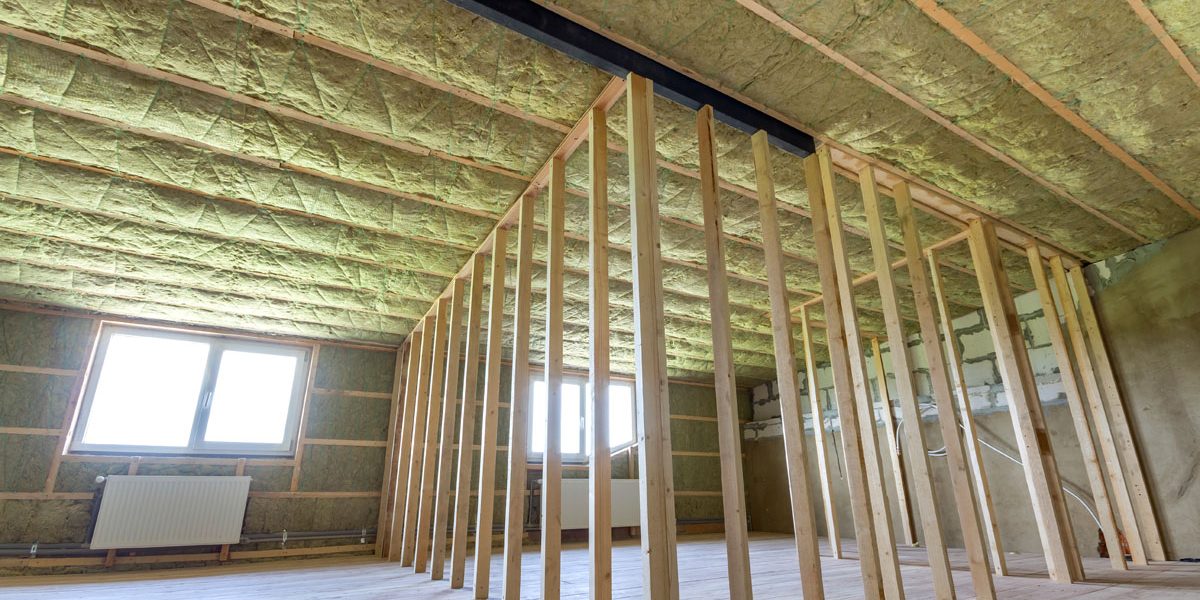
When you are thinking about any product for your home, health and safety clearly takes precedence—and insulation isn’t any different. In regard to health and safety attributes, not every type of insulation is equal.
Fire Safety
Fire resistance is, naturally, an essential consideration for insulation in homes.
Some things to think about when thinking about insulation types for fire safety:
- Fiberglass And Mineral Wool Insulation
Materials are non-combustible and remain so for the duration of the product. They require no further fire-retardant chemical treatments—therefore, un-faced fiberglass and mineral wool are recognized as fire blockages in wooden frames. Remember that some fiberglass and mineral wool facings are combustible; however, when correctly installed with a code-compliant barrier, do not pose a fire hazard. - Cellulose Insulation
Products are mainly made of newspaper, which is extremely combustible. Even though it’s heavily processed with fire-retardant chemicals before installation, it is an established fire hazard by the CPSC. - Spray Foam Insulation
Spray foam types of insulation is going to ignite at 700°F.
Health Impacts
Not all insulation materials have received the same degree of testing and scrutiny in regard to health and safety.
- Fiberglass and Mineral Wool insulation
Fiberglass and mineral wool insulation are the most comprehensively tested insulation material made available. The IARC, the NTP and the OEHHA have all reported that fiberglass and acoustic insulations and mineral wool thermal are not deemed categorized as carcinogens. - Cellulose Insulation
Matters concerning the health and safety factors of cellulose insulation remain in the construction industry since limited scientific or medical testing of the insulation has been carried out. There still remains a demand for full toxicological testing of the fiber fragments from cellulose building insulation and the fiber fragments from pure cellulose fibers. Safety findings cannot really be put together until comprehensive testing is completed. - Spray Foam Insulation
Spray foam insulation safety of is still ongoing. If you’re concerned about the effect of this type of insulation on your home and family, you are going to want to learn more about the chemical compounds of spray foam. As reported by the DTSC, one of the primary ingredients in spray foam, MDI, might pose several health risks, comprising asthma and damage to the lungs.
Mold
Mold can grow in any environment in which there is moisture and sustenance for mold spores, so a lot of organic materials can be sustenance for mold. Although some products assert to be resistant to mold, it can grow on ANY surface under moist settings if organic material survives to sustain the spores. Some things to think about when insulating to avoid mold:
- Mineral wool, fiberglass, and spray foam types of insulation are all, in themselves, inorganic, and consequently are unable to feed mold growth.
- Cellulose insulation is made of natural material, so it could be a food source for mold unless adequately treated with chemicals or other agents that can hinder or inhibit the mold from growing. Mold could grow on all insulation kinds; however, not all kinds provide a source of food for mold growth.
Corrosion
Risk of corrosion to wires, pipes, and fasteners is an aspect to consider at all phases of home construction or renovation, and insulation is without exception. Your insulation selection can impact the possibility of corrosion:
- Fiberglass insulation is non-corrosive and does not contain chemicals that can corrode wires, pipes, or fasteners.
- Cellulose insulation contains specific chemicals regularly which are treated as a fire retardant to some cellulose insulation. These chemicals, specifically the sulfates, can be the cause of wires, pipes, and fasteners, getting corroded under certain settings.
.
Hughes Development Offers Custom Homes in Mesa, Arizona and Surrounding Areas
Hughes Development is a third generation home builder in Arizona and has over fifty years of home building experience! We offer our custom home expertise throughout the Phoenix valley including Mesa, Apache Wells, Mountain Whisper and more areas in Arizona. To speak with our custom home development team call (480) 444-6691 or contact us.